Imagine starting your morning under a canopy of mature trees, waving to neighbors on their front porches as you stroll toward McKinley Park. If you love character homes and a calm, close‑in feel, East Sacramento’s historic bungalow streets offer a rhythm that feels both timeless and practical. You might be an early‑stage buyer curious about daily life or a homeowner weighing updates before selling. In this guide, you’ll learn what it feels like to live here, how historic charm shapes renovations, the day‑to‑day routine, and smart buyer and seller tips. Let’s dive in.
East Sacramento at a glance
You are just east of Midtown and the central city, close enough for a fast bike or short drive but far enough to enjoy a residential vibe. Tree‑lined blocks, human‑scaled setbacks and front porches set the tone for neighborly connection. Within East Sacramento, you’ll hear locals reference micro‑areas like the blocks around McKinley Park and the streets known for bungalow and Craftsman‑style homes. Some sections, often referred to as the Forties, include larger lots and more formal homes.
If you want character, walkability, and proximity to downtown, these streets are a natural fit. Many residents are long‑term homeowners, people who work downtown, and buyers seeking early 20th‑century architecture over new construction. The neighborhood identity is park‑ and porch‑forward, with active community groups, seasonal events, and a steady weekday rhythm.
Historic bungalow character
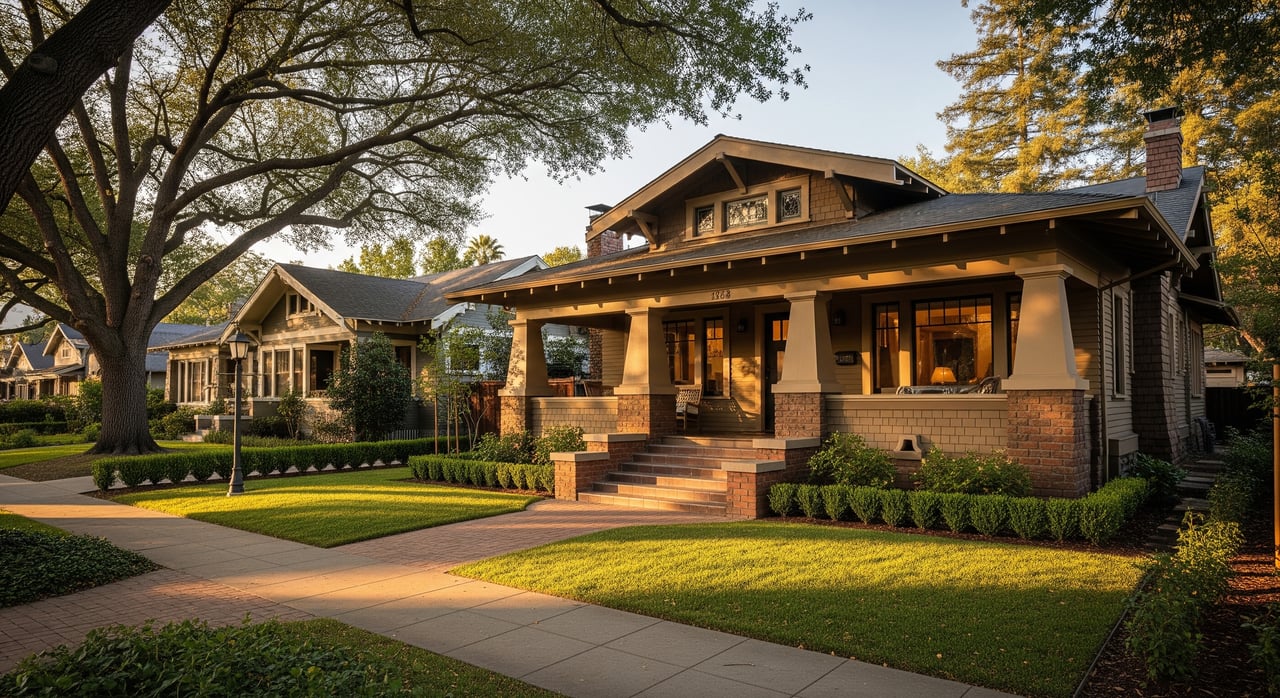
The dominant home style is the Craftsman bungalow, along with other early 20th‑century vernacular designs. You’ll see low‑pitched gabled roofs, overhanging eaves, exposed rafters or brackets, tapered porch columns, and wood‑sash windows. Lots are typically modest city parcels with usable front porches and manageable backyards. In contrast, a few nearby streets feature larger, more formal homes and bigger lots.
Front porches do a lot of social heavy lifting here. They make it easy to chat with neighbors, keep an eye on the block, and enjoy evenings outside. Consistent setbacks and mature trees give the area a comfortable scale that feels welcoming as you walk.
What historic status can mean for you
Parts of East Sacramento fall under historic‑district designations or local preservation overlays. If you plan exterior changes or additions, you may need design review and permits that align with neighborhood standards. Some properties can qualify for California’s Mills Act, which can reduce property taxes in exchange for preserving historic character. Availability varies by parcel and local ordinance, so confirm historic status and requirements with the City of Sacramento’s Planning or Preservation offices and local neighborhood associations.
Renovation realities in older homes
Older bungalows often blend original charm with updates, and that mix is part of the appeal. It also means you should plan for common maintenance patterns. Foundation settlement can show up as cracks or doors that stick. Electrical systems may include older knob‑and‑tube wiring in some homes; plumbing may be galvanized or cast iron and nearing end of life.
Insulation and windows are another focus. Single‑pane windows and limited insulation are common, so many owners add attic insulation and upgrade HVAC while staying mindful of historic character. In homes of this age, lead‑based paint and sometimes asbestos may be present; testing and abatement follow state and local rules. Termites and moisture are a routine part of inspections in the region, so budget for preventative maintenance.
Quick buyer inspection checklist
- Standard home inspection to assess structure, systems and safety items
- Pest and termite inspection to identify active or past activity
- Roof inspection for age, repair needs, and estimated remaining life
- HVAC inspection to evaluate efficiency, age, and service history
- Electrical evaluation when older wiring is suspected
- Sewer lateral inspection if required or recommended in the area
- Foundation or structural specialist if movement is suspected
- Permit and renovation history review, including any design‑review approvals
Day‑to‑day living: parks, coffee, and community
McKinley Park anchors daily life with walking paths, playgrounds, sports fields, and a community garden. Weekends often start with a jog under the tree canopy, brunch at a neighborhood cafe, or downtime at the park. The local commercial pockets tend to favor independent cafes, bakeries, and casual dining that serve residents rather than destination nightlife.
If you want more options, Midtown and downtown are close for restaurants and cultural events. Street parking is generally available, though it can tighten during park events and busy evenings. Neighborhood associations and volunteer groups are active, organizing cleanups, block parties, and conversations around street trees, traffic calming, and historic preservation.
Getting around
Commuting is straightforward. You’re a short drive or bike ride to downtown and Midtown, with regional bus routes on larger corridors. Light rail access is more concentrated in Midtown and the central city, so if transit is essential, confirm stop locations and frequency. Narrower residential streets and mature trees help calm traffic, making walks and bike rides pleasant.
Walkability varies by block, so it helps to do a quick route check to your favorite cafe, the park, and a grocery store. Visit at different times to see parking patterns and traffic flow. If weekends at McKinley Park are your routine, you will want to test your parking assumptions on a sunny Saturday.
Buying smart in the bungalow streets
Many homes here retain original woodwork and built‑ins alongside modern updates. Expect a mix of period details, updated kitchens and baths, and system upgrades completed over time. Ask for permit records, renovation timelines, and any design‑review approvals if the property sits in a historic district.
If you plan to remodel, budget extra time for approvals and find professionals familiar with historic homes. For inspections, start with home, pest, and roof, then add HVAC, electrical, and sewer lateral checks as needed. When it comes to parking and congestion, the day‑to‑day is manageable, but verify conditions during park events and evenings.
Financing older homes is common with conventional loans, and VA or FHA can also be used. Lenders may require repairs that address health or safety issues. For insurance, older materials like knob‑and‑tube wiring can affect underwriting and replacement‑cost estimates, so plan discussions with your insurer early.
Selling a bungalow: what stands out
Buyers tend to value authentic character. If you have original woodwork, built‑ins, or restored windows, highlight them. Period‑appropriate updates usually perform better than modernizing the exterior beyond neighborhood norms. Documented upgrades to electrical, plumbing, roofs, and HVAC can increase confidence and appraisals.
Curb appeal matters. Simple landscaping, tuned‑up porches, and attention to paint condition go a long way. Keep permit records organized and ready, since buyers and appraisers will ask. If your home is in a historic district or has Mills Act benefits, prepare that documentation as well.
Value drivers and tradeoffs
People pay a premium for proximity to downtown, access to a signature park, mature streetscapes, and authentic architectural character. Renovated interiors that respect the period style while upgrading systems often command stronger interest. On the other hand, earlier bungalows can have smaller room sizes and one‑bathroom layouts. Expansions may need thoughtful design to preserve street‑facing character and to meet setback and lot coverage rules.
Mature trees are a treasure and a responsibility. Roots can affect sidewalks and older infrastructure, and the canopy may require periodic arborist work. The upside is the daily enjoyment of shade, beauty, and a calmer pedestrian experience.
How Darya helps
You deserve an advisor who understands both the lifestyle draw and the practical realities of older homes. With 15+ years of experience, a background in mortgage lending, and a structured, three‑phase marketing and buying process, Darya helps you evaluate inspections, confirm permit history, and sequence upgrades or contingency timelines. Her approach combines boutique attention with Compass resources, targeted digital campaigns, and professional staging when you sell.
Whether you are relocating, buying before you sell, or planning a remodel‑then‑sell strategy, you can move forward with clarity. If you prefer bilingual support in English or Russian, you will feel at ease. Ready to explore East Sacramento’s bungalow streets or discuss timing and strategy for your sale? Connect with Darya Ghomeshi for a complimentary consultation.
FAQs
What is daily life like in East Sacramento’s bungalow streets?
- Expect a calm residential feel with front‑porch culture, mature trees for shaded walks, and regular time at McKinley Park for exercise and community activities.
Are East Sacramento homes historic, and how does that impact remodeling?
- Some areas have historic‑district overlays that can require design review for exterior changes. Confirm status with the City of Sacramento before planning additions or facade updates.
What inspections should buyers prioritize for older bungalows?
- Start with home, pest, and roof inspections, then add HVAC, electrical, and sewer lateral checks. Consider a foundation specialist if you see signs of movement.
How walkable is the neighborhood, and what about parking?
- Walkability is strong around parks and local shops, but it varies by block. Street parking is usually manageable, with tighter conditions during park events and peak times.
What are common renovation upgrades in these homes?
- Electrical and plumbing updates, attic insulation, HVAC improvements, and careful window work are typical. Many owners aim to preserve period details while modernizing systems.
How is commuting to downtown Sacramento from East Sacramento?
- It is a short drive or bike ride to downtown and Midtown. Bus routes serve major corridors, while light rail is more concentrated in Midtown and the central city.
What should sellers emphasize when listing a historic bungalow?
- Showcase preserved woodwork, built‑ins, and documented system upgrades. Keep permit records handy and focus on curb appeal with well‑maintained porches and landscaping.