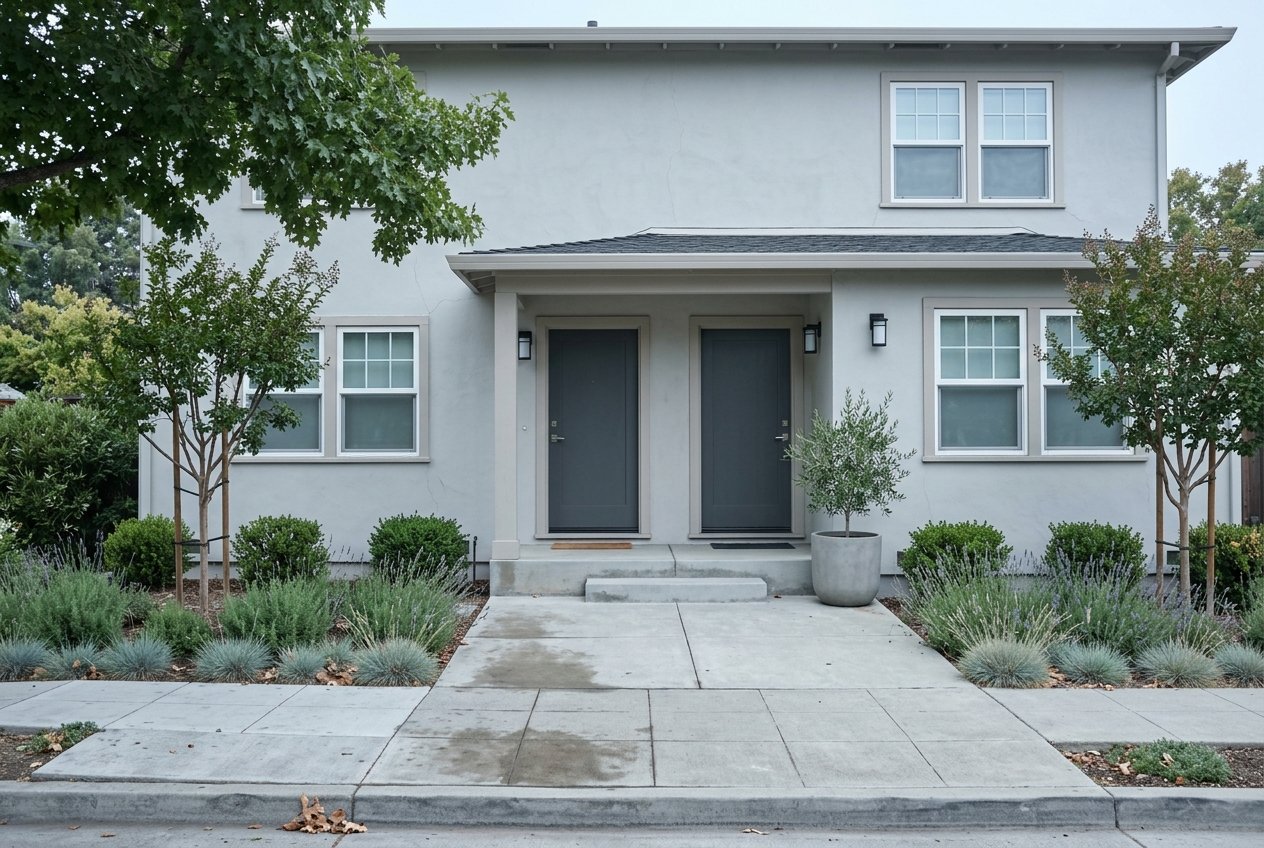
Wondering whether a Sacramento duplex, triplex, or fourplex is still a smart buy? You are not alone. Small multi-unit investing can look simple from the outside, but in Sacramento, the numbers, neighborhood, and local rules can change the story fast. This guide will help you think through where small multi-unit opportunities may fit, what to watch in underwriting, and how to approach the market with more confidence. Let’s dive in.
Why Sacramento draws small multi-unit buyers
Sacramento offers a large renter base in a market with a mix of owners and renters. The U.S. Census Bureau reports a city population of 524,943, an owner-occupied housing rate of 51.5%, and a median gross rent of $1,694 for 2019 through 2023. The city’s 2024 ACS median household income was $91,387, which points to a broad pool of households supporting different types of rental housing.
The sales market also remains active, even if buyers are more price-sensitive than they were a few years ago. Zillow reports a typical Sacramento home value of $480,548, down 2.3% year over year, with homes going pending in about 12 days. Zillow also shows a citywide average asking rent of $2,020, which is useful as a broad benchmark, but not a substitute for true lease comps on a specific property.
Another factor matters for long-term investors: Sacramento’s planning direction supports neighborhood-scale housing. The city identifies duplexes, triplexes, fourplexes, ADUs, and bungalow courts as part of its Missing Middle Housing framework. The city also says it allows multi-unit housing in every neighborhood, which can create more infill opportunity over time while also affecting future supply.
Sacramento neighborhoods vary by strategy
Not every Sacramento neighborhood supports the same investment plan. Some areas may be better for long-term appreciation and resale strength, while others may offer a more approachable entry point or stronger price-to-rent relationship. Your best fit depends on whether you are prioritizing cash flow, house hacking, value-add upside, or hold quality.
Higher-price neighborhoods
Zillow neighborhood data shows East Sacramento at $785,345, Curtis Park at $739,988, and Land Park at $863,679. East Sacramento also shows days to pending around 8, which suggests faster competition. In practical terms, these neighborhoods may appeal more to buyers focused on location quality and long-term hold potential than immediate yield.
If you are shopping in these areas, discipline matters. A great neighborhood does not automatically create great returns. At higher price points, your margin for underwriting mistakes tends to get smaller.
More accessible neighborhoods
Several Sacramento neighborhoods show lower entry prices that may attract value-add buyers or owner-occupants trying to offset their housing costs. Zillow reports Tahoe Park at $497,598, North Oak Park at $489,493, Hollywood Park at $520,980, North City Farms at $395,139, Mangan Park at $386,512, Central Oak Park at $372,765, and South Oak Park at $343,869.
These price points can look more favorable on paper for duplex or fourplex investing. The tradeoff is that conditions can vary more from block to block, and buyers may face greater differences in building condition, renovation scope, utility setup, and lease quality. In these areas, street-level due diligence often matters as much as neighborhood averages.
Rent data needs a closer look
One of the biggest mistakes small multi-unit buyers make is relying on one citywide rent number. Sacramento rent data varies depending on the platform and the method used. Zillow reports an average rent of $2,020, while Apartments.com reports $1,576 and roughly $1,875 for two-bedroom units.
That gap tells you something important. A duplex in one part of Sacramento should not be underwritten like a fourplex somewhere else just because both are inside city limits. Unit mix, condition, parking, updates, and nearby competing listings can change achievable rent in a big way.
What to use instead of broad averages
When you evaluate a property, focus on nearby comparable leases and competing listings with similar features. You also want to review current in-place rents, lease terms, and renewal timing. If a seller’s numbers look strong but the rents are far above nearby alternatives, that deserves a second look.
This is especially important if you plan to owner-occupy one unit. The same building may qualify very differently depending on documented rent, your financing path, and whether the non-owner units are leased at market rates.
Financing can change the math
For small multi-unit buyers, financing is not just a detail. It can completely change what a property costs you each month and whether the deal works. This is one reason many buyers benefit from working with an advisor who understands both neighborhood trends and lending strategy.
HUD states that FHA loans may allow as little as 3.5% down on 1 to 4 unit properties, but these programs are generally for owner-occupied primary residences. For three- and four-unit properties, FHA also applies a self-sufficiency rental income test. Freddie Mac also allows rental income from non-owner-occupied units in a 2 to 4 unit primary residence to be used in debt-to-income calculations under its guide.
Why owner-occupants may have an edge
If you plan to live in one unit, your options may look very different from those of an investor buying the same building as a pure rental. Lower down payment programs and the ability to use rental income in qualifying can improve the picture. At the same time, the lender will care about how rents are documented and whether the property meets program rules.
This is where financing fluency matters. A duplex that works well for a house hacker may not pencil the same way for a non-owner investor. Before you fall in love with a property, it helps to understand which financing lane you are actually in.
Sacramento operating costs to build in
Strong investing starts with realistic expenses. In Sacramento, that means looking beyond mortgage, insurance, and maintenance. Local tax treatment and rental compliance costs should be part of your numbers from day one.
Sacramento County’s Assessor states that Proposition 13 sets the base property tax rate at 1% of assessed value plus voter-approved bonds, and countywide tax rates average about 1.1% because of assessment levies. The county also notes that assessed value typically rises by no more than 2% annually unless there is new construction or a change in ownership. For long-term holders, that predictability can be a meaningful advantage.
City rental program costs
The City of Sacramento requires annual rental unit registration through its Tenant Protection Program, with a fee of $20 per unit. The city also states that effective July 1, 2025, rent increases are limited to 5% plus CPI, with a 7.7% maximum, and just-cause protections apply after 12 months plus one day.
Separate from that, the city’s Rental Housing Inspection Program charges $25 per rental unit for registration and $180 per unit for inspection. Reinspection or rescheduling fees may apply if a property does not pass or if appointments are missed. These are not optional line items, so they belong in your underwriting.
Extra steps for remote owners
If you live outside the Sacramento area, the city requires you to maintain a Local Contact Representative. The city also notes that once a property is registered, inspections are scheduled. If a property qualifies for self-certification, the owner must inspect each rental unit annually and at each change in tenancy, keep the checklists for three years, and understand that the city randomly inspects 10% of self-certified properties.
For out-of-area buyers, this is a major planning issue. A Sacramento investment can still work well, but local management and compliance systems matter more than many first-time investors expect.
Local rules deserve careful review
California and Sacramento both have tenant protection rules, and the details matter. California’s AB 1482 limits many annual rent increases to 5% plus CPI or 10%, whichever is lower, and requires just cause after 12 months of occupancy. It also exempts some property types, including certain owner-occupied duplexes and housing with a certificate of occupancy from the prior 15 years.
Sacramento’s local ordinance is separate and applies local rent-cap and just-cause rules to many city multifamily rentals, including duplexes and apartments. Because state and local exemptions may differ, you should confirm the status of the specific property rather than assume it is exempt. That one detail can materially affect your business plan.
A practical due diligence checklist
Before you write an offer or remove contingencies, it helps to slow down and verify the basics. Small multi-unit investing rewards buyers who stay conservative and organized. Sacramento gives you opportunity, but it also asks for detail.
Here are key items to check:
- Confirm allowed use through the City of Sacramento Land Information Lookup and zoning tools.
- Verify whether the property is subject to the city Tenant Protection Program, state AB 1482, or both.
- Review all in-place leases, deposit records, and renewal dates.
- Check whether utilities are separately metered.
- Inspect for deferred maintenance and review permit history.
- Review the county tax bill for direct levies or special assessments beyond the base tax rate.
- Compare actual nearby lease comps instead of relying on one citywide rent number.
How to think about long-term holds
In Sacramento, long-term success with a duplex, triplex, or fourplex usually comes down to four things: buying at the right basis, using realistic rent assumptions, planning for compliance costs, and choosing a property with manageable physical needs. The city’s support for neighborhood-scale housing suggests that small multi-unit properties will remain part of Sacramento’s housing landscape.
That said, optimism should never replace underwriting discipline. Rent caps, inspections, registration fees, and maintenance on older buildings can all narrow your margin. A property that still works after conservative assumptions is usually a much healthier investment than one that only looks strong in a best-case scenario.
Why local guidance helps
Small multi-unit properties can be some of the most rewarding purchases in Sacramento, but they are rarely simple. You may be comparing neighborhoods with very different pricing, balancing owner-occupant financing options, and sorting through city and state rules at the same time. Having clear guidance can help you avoid expensive assumptions.
If you are exploring a duplex, triplex, or fourplex in Sacramento, working with someone who understands both the local market and the financing side can make the process much smoother. If you want help evaluating neighborhoods, analyzing a property, or building a smarter purchase plan, reach out to Darya Ghomeshi for a complimentary market consultation.
FAQs
What makes Sacramento attractive for small multi-unit investing?
- Sacramento has a large population, a sizable renter base, active housing demand, and city planning that supports neighborhood-scale housing such as duplexes, triplexes, fourplexes, and ADUs.
Which Sacramento neighborhoods may suit a house-hack strategy?
- More accessible price points in neighborhoods like Tahoe Park, North Oak Park, Central Oak Park, South Oak Park, Mangan Park, and North City Farms may appeal to buyers looking for a better purchase-price-to-rent relationship, though block-by-block variation is important.
How should you estimate rent for a Sacramento duplex or fourplex?
- Use nearby comparable leases, current competing listings, and the property’s actual unit mix and condition rather than relying only on one citywide average rent figure.
What Sacramento city fees should multi-unit buyers budget for?
- Buyers should account for the city’s $20 per unit annual Tenant Protection Program fee, the $25 per unit registration fee under the Rental Housing Inspection Program, and the $180 per unit inspection cost, plus any reinspection or rescheduling fees if they apply.
How does property tax work for Sacramento investment property?
- Sacramento County says the base property tax rate is 1% of assessed value plus voter-approved bonds, with countywide average tax rates around 1.1%, and assessed value generally rising no more than 2% annually unless there is new construction or a change in ownership.
What local rules should Sacramento multi-unit buyers verify before closing?
- Buyers should confirm zoning and allowed use, check whether the property is subject to Sacramento’s local tenant protection rules, review possible AB 1482 coverage, inspect leases and utility metering, and evaluate permit history, maintenance issues, and special tax assessments.