What Are Red Flags to Watch for During a Home Inspection?
Home inspection reports can run 40+ pages and overwhelm buyers with minor issues, making it hard to know what's actually serious. Darya Ghomeshi, a Compass agent in Sacramento and El Dorado Hills, breaks down which findings deserve real concern versus which are routine.
Foundation and Structural Issues
Cracks in the foundation, uneven floors, doors and windows that stick or won't close properly, and visible settling can indicate structural problems that are expensive to fix. When I see any of these, I always recommend a follow up evaluation from a structural engineer before we move forward.
Roof Age and Condition
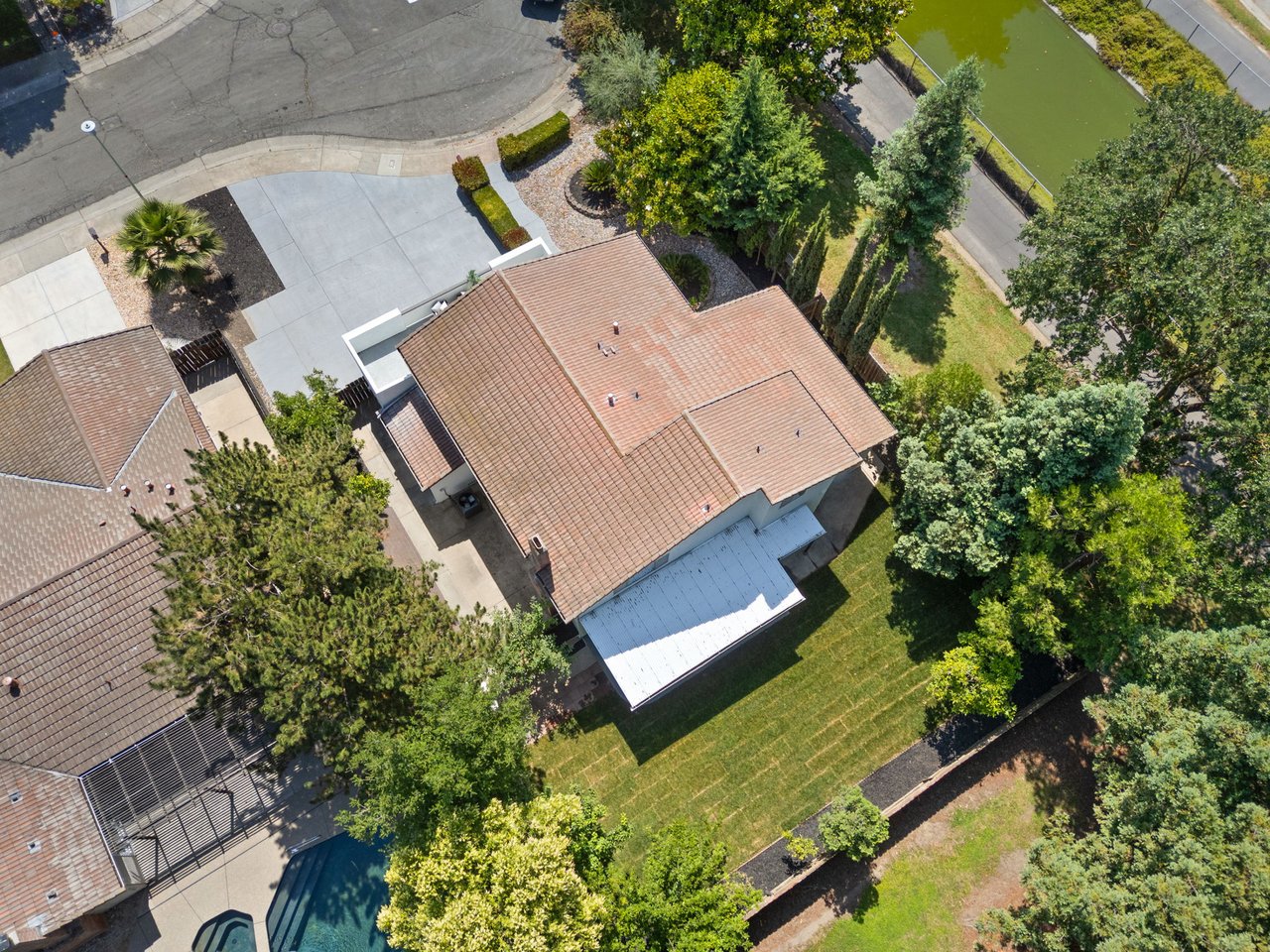
A roof nearing or past the end of its expected lifespan is one of the most expensive near term costs a buyer can inherit. I always ask specifically for the roof's age and material, not just whether it "looks fine." Inspectors can often estimate remaining useful life, and that number matters more than it looks on the surface.
Electrical Panel and Wiring
Outdated electrical panels, particularly certain older panel brands with known safety recalls, knob and tube wiring, or aluminum wiring in older homes are red flags that can affect both safety and insurability. This is a common area where Sacramento's older housing stock, particularly in historic neighborhoods, needs closer attention, and it's one of the first things I flag with clients touring older homes.
Plumbing: Galvanized Pipes and Sewer Lines
Older galvanized steel pipes corrode from the inside and can eventually restrict water flow or fail. I recommend a sewer line inspection, often a separate service from a general home inspection, on older homes, since sewer line replacement is a significant expense.
Water Intrusion and Mold Signs
Water stains on ceilings or walls, musty odors, and evidence of past water damage can point to ongoing leaks or drainage issues, even if the underlying cause isn't immediately visible during a single inspection visit. I always encourage clients to ask more questions if they notice any of these.
HVAC System Age and Function
An aging or malfunctioning HVAC system is a common and often overlooked cost. I ask for the system's age and maintenance history on every transaction, since replacement can be a significant expense depending on the home's size.
What's Usually Just a Negotiation Point, Not a Deal-Breaker
Cosmetic issues, minor plumbing drips, worn caulking, or small electrical fixes are extremely common and rarely worth walking away from a home over. I help my clients distinguish between findings that should shape the price or repair negotiation and findings that are simply normal wear and tear, so they don't lose a great home over something minor.
Frequently Asked Questions
What home inspection issues should make a buyer walk away? Major structural or foundation problems, significant roof failure, serious electrical hazards, and extensive water damage or mold are the findings most likely to justify walking away or requiring major concessions.
Are minor issues on an inspection report normal? Yes, most inspection reports include a long list of minor items. The goal isn't a perfect report, it's identifying which findings are actually significant.
Should I get a sewer line inspection separately? On older homes, yes. A general home inspection often doesn't include a full sewer line camera inspection, and sewer line issues can be expensive to repair.
Can I negotiate repairs after the inspection? Yes, inspection findings are commonly used to request repairs, a price reduction, or a credit at closing, depending on what the contract allows and what the market supports.
Who can help me interpret my inspection report? I review every inspection report with my clients directly to help prioritize what matters. Reach out through darya916.com.
Darya Ghomeshi | CA DRE# 01935449 | Compass California II, Inc. | CA DRE# 01527235. This content is educational and not a substitute for a licensed home inspector's assessment.